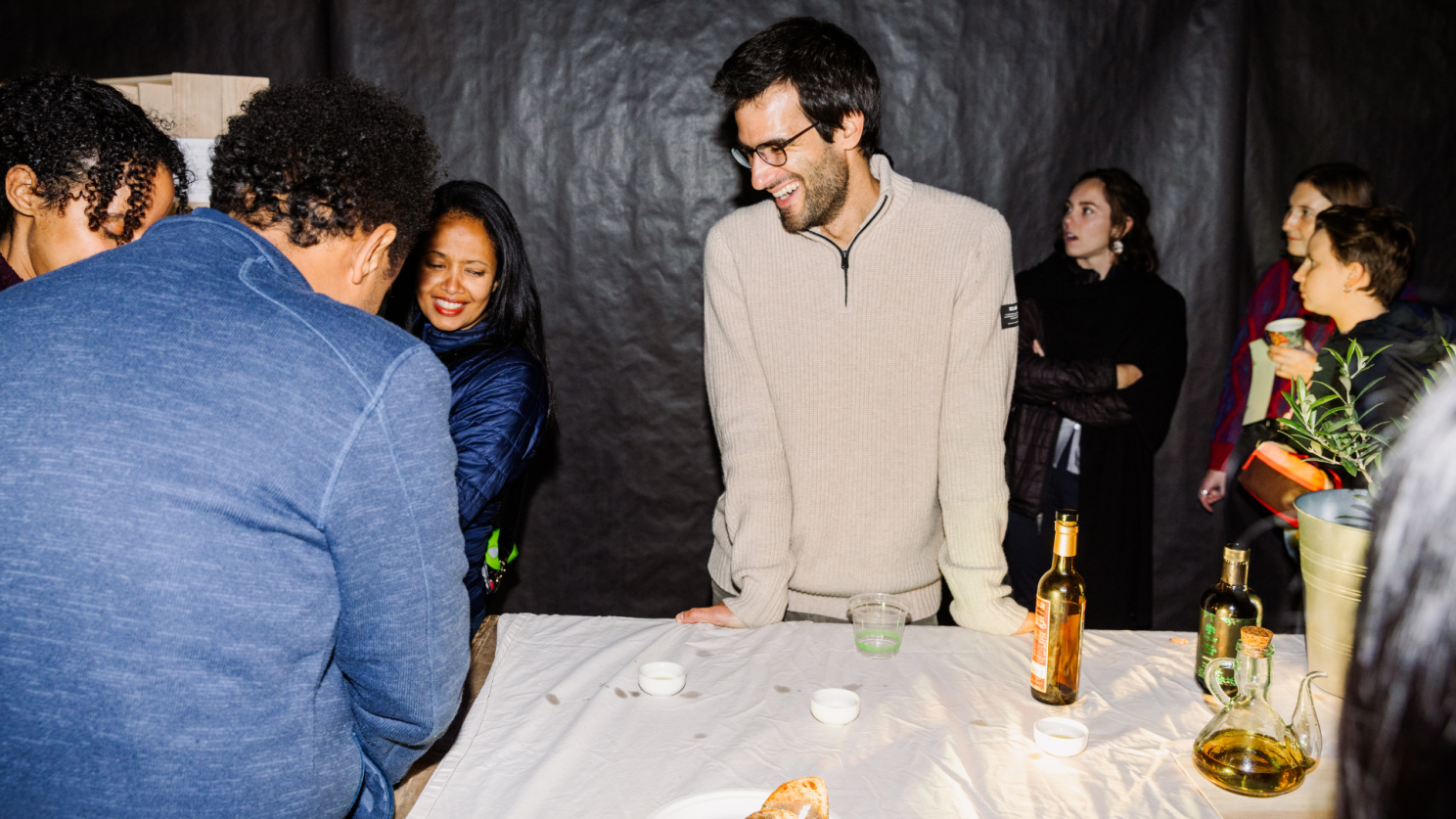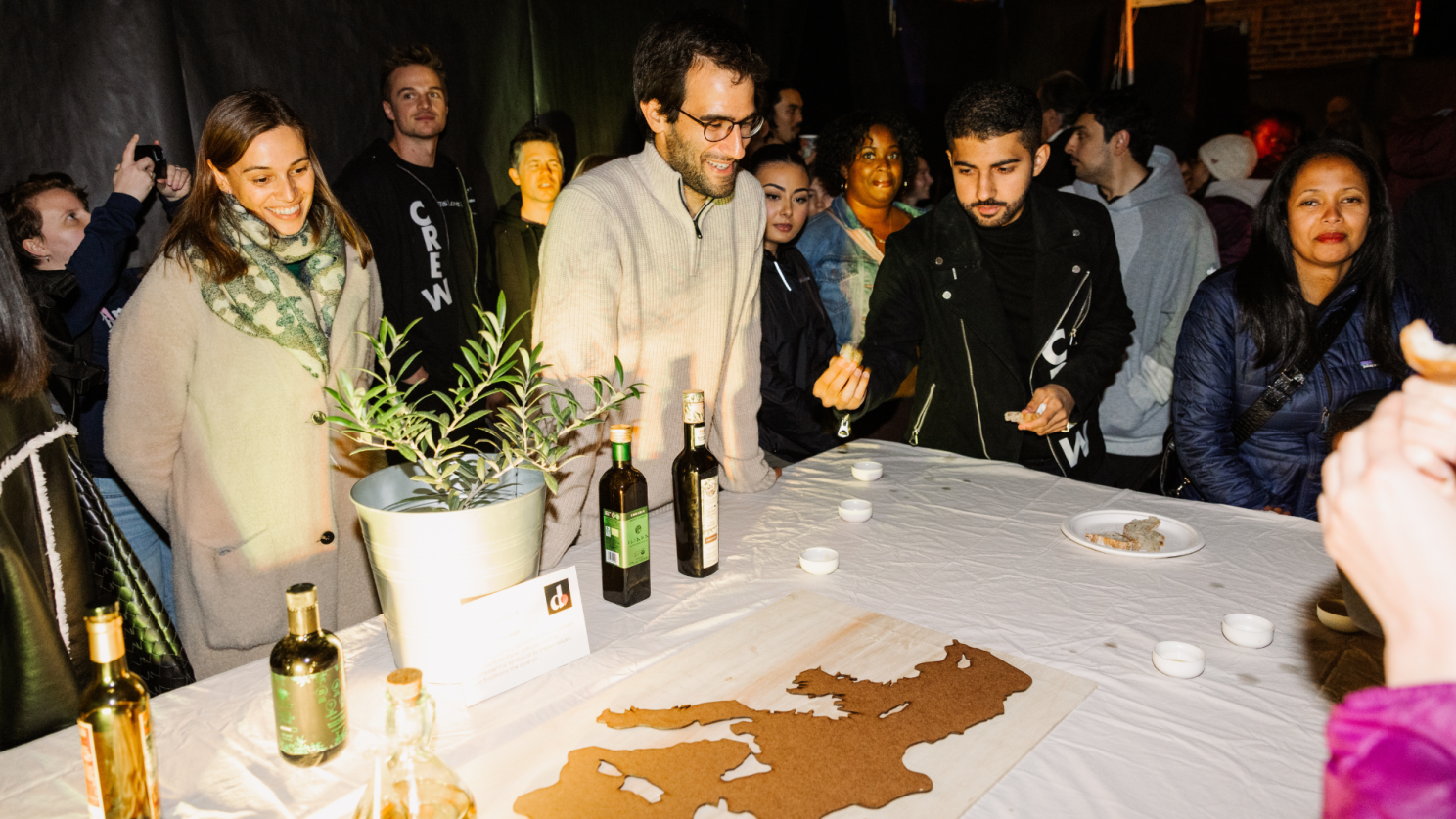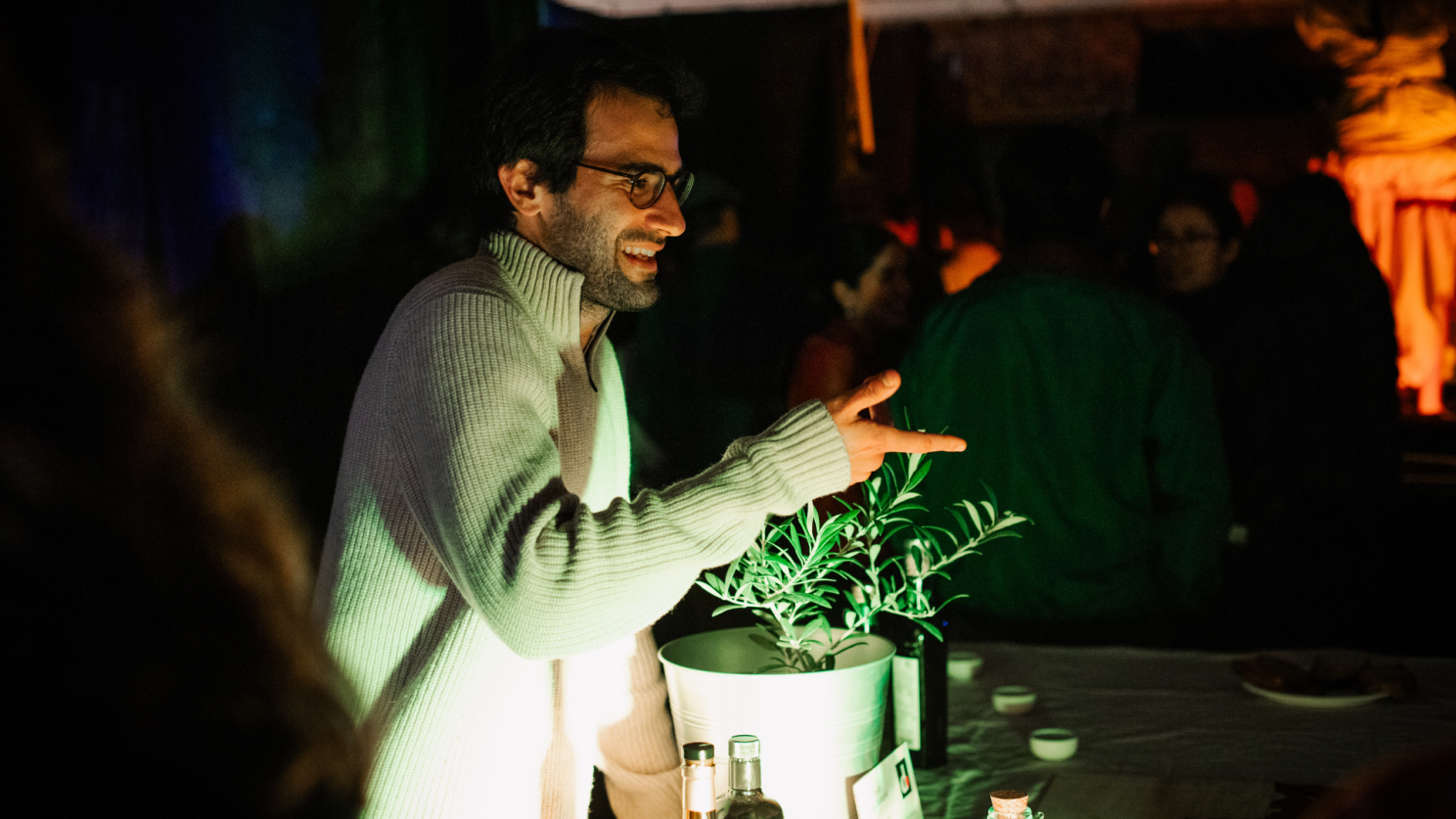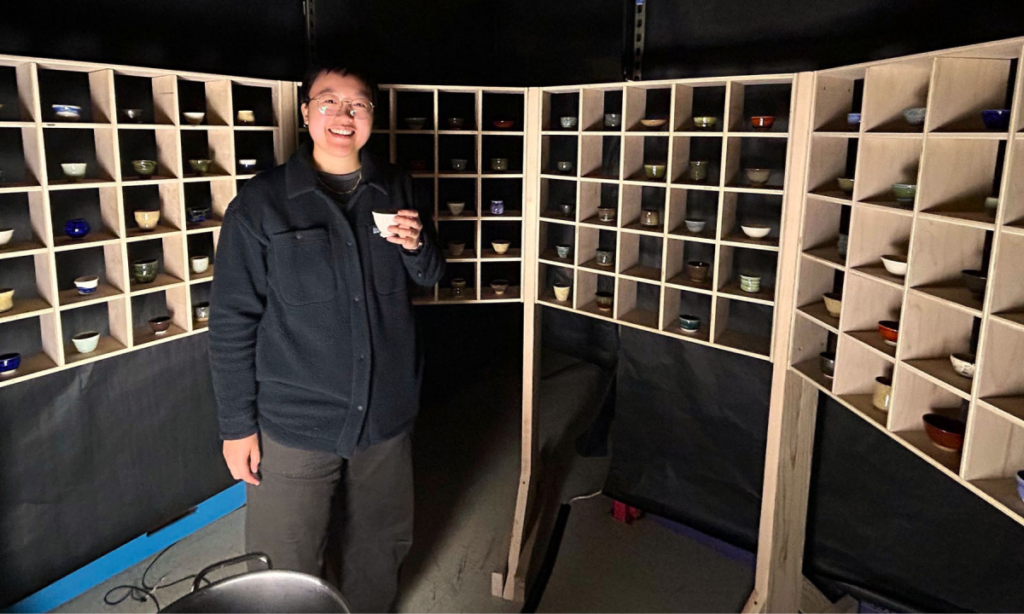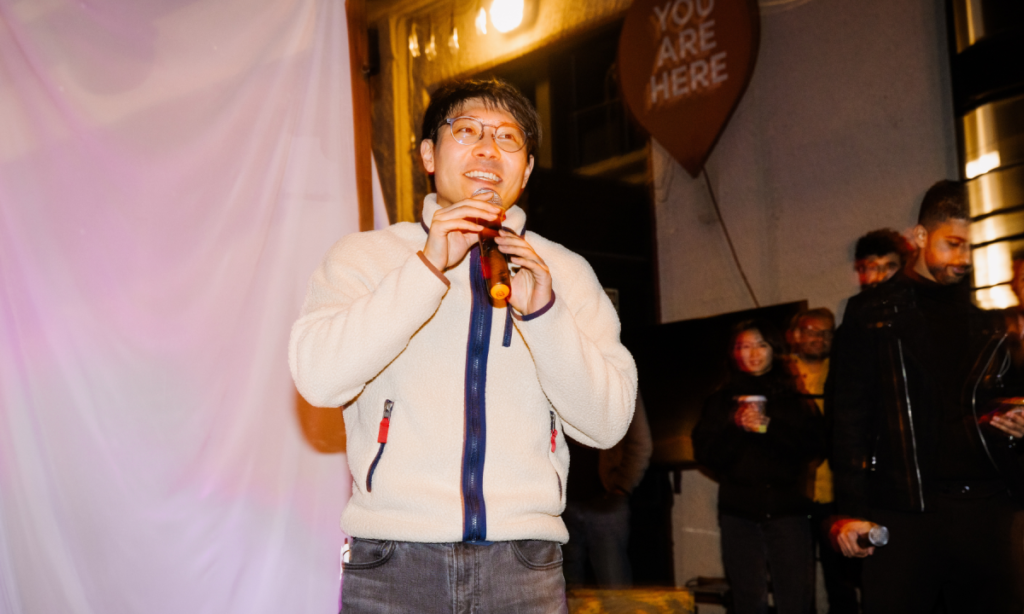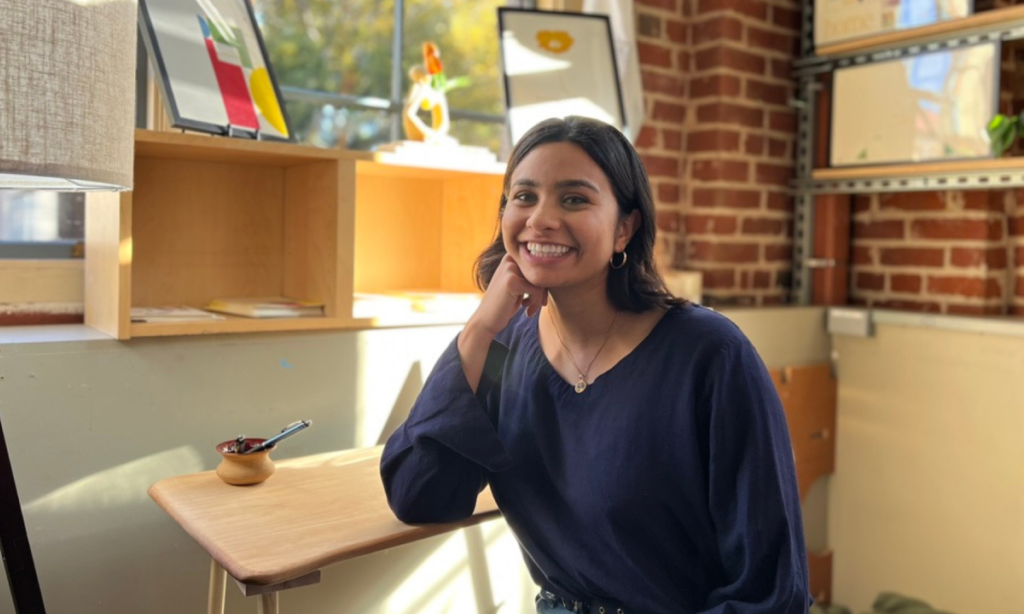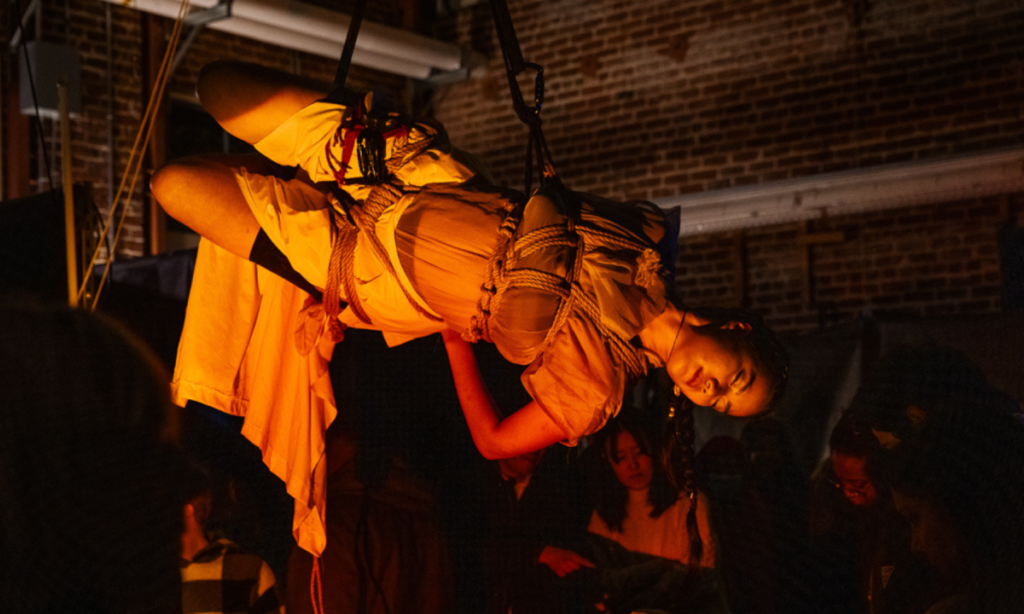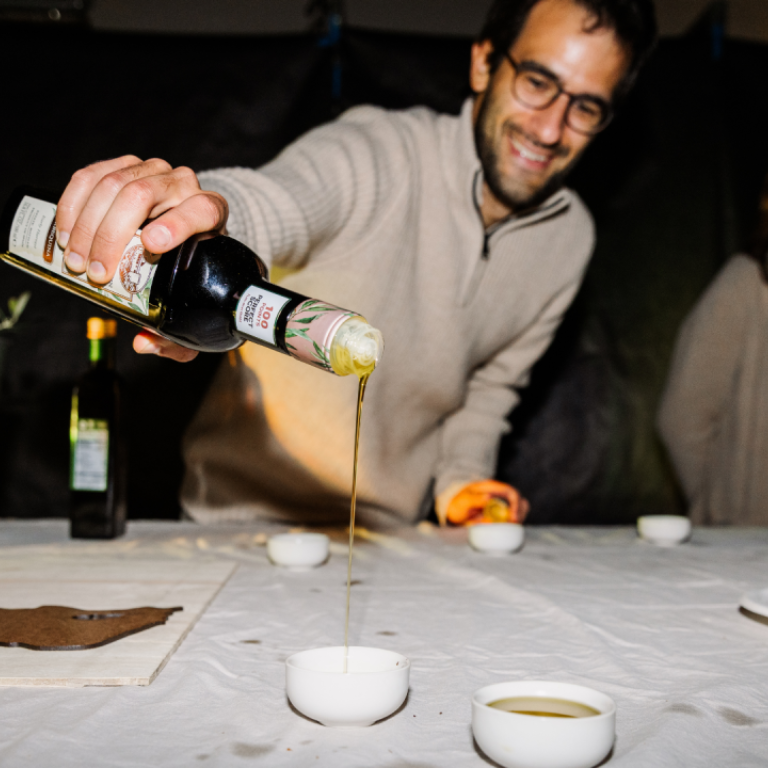
Every year, students develop a Personal Statement: a work that uniquely represents who they are. They then share this work with the rest of the design community on a special Personal Statements Night. This project allows the designers to combine a physical product that is imbued with their emotions and values with a shared user experience.
The Mediterranean by Mario Garcia Causapié
I am a biomedical engineer and designer. Before coming to Stanford, I worked at Hospital Clinic of Barcelona, a public hospital in Spain, where I had the opportunity to interact with many healthcare professionals and patients. Through these experiences, I realized that numerous unmet needs in healthcare remain unaddressed by commercial solutions. This led me to the idea of learning design so that I could help establish design centers within public hospitals to address their unmet healthcare needs—developing solutions locally and co-designing with both patients and healthcare professionals.
This is why I came to Stanford—to learn a structured design methodology, practice need-finding techniques and best practices, prototype with intention, make sense of stories, and identify best business models for each idea. I wanted to learn how to create designs that are both affordable and sustainable, and above all, that address real healthcare needs.
I have been focused on learning about design and manufacturing, with a special emphasis on healthcare products and global health. Over the past year and a half, I have learned how to communicate ideas more effectively through sketches and digital tools, how to manufacture physical products and how to navigate and design the best IP strategy. I have studied and applied methodologies to rapidly iterate on needs’ and solutions’ hypotheses, improve interview and needfinding techniques, looking for what people want to say, not what you want to hear. Additionally, I have had the opportunity to engage with many designers and entrepreneurs who have developed products in the healthcare space.
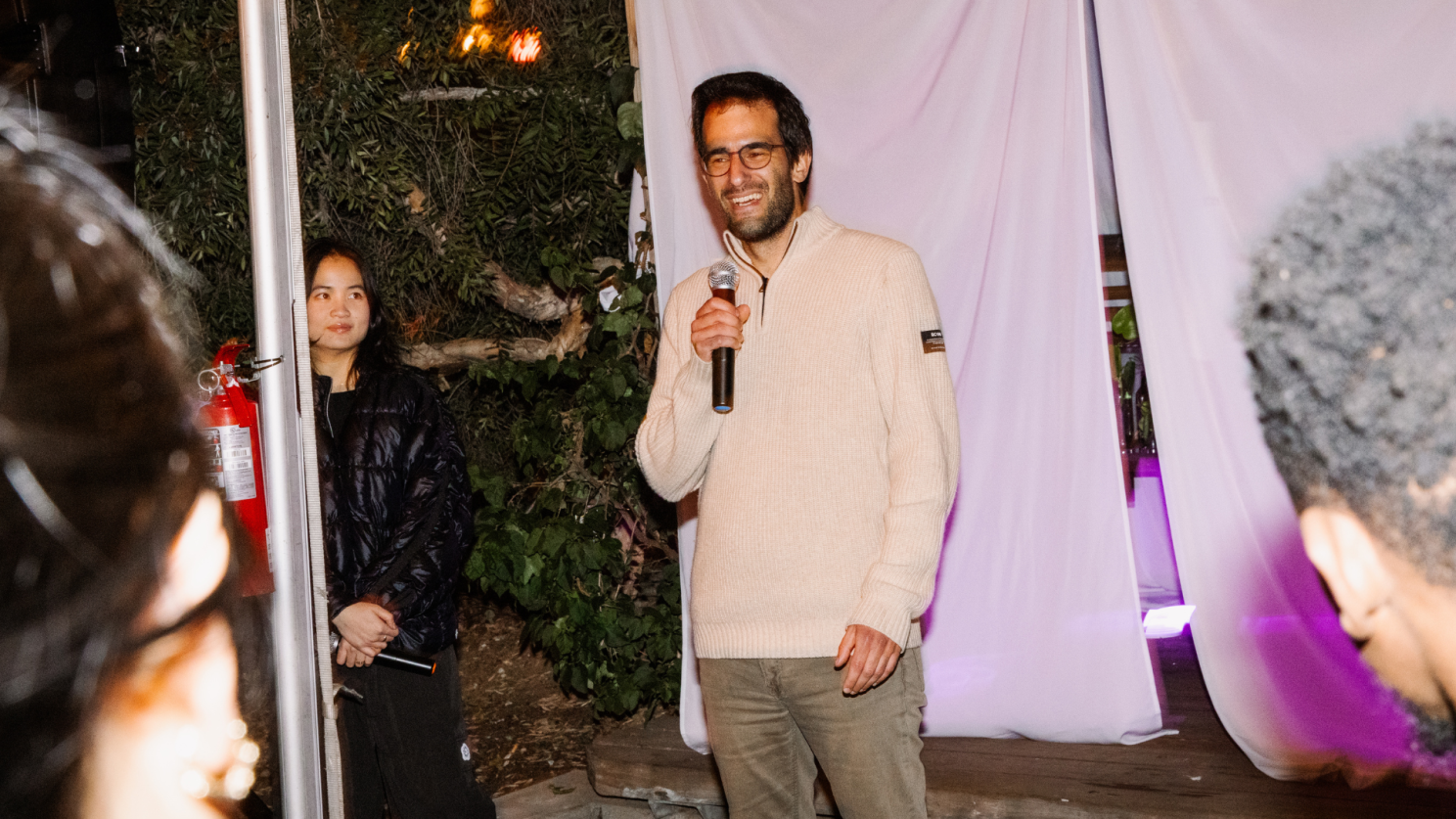
Personal Statement: Extending an Olive Branch
The goal of the project was to create a design piece that represents or allows us to express ourselves or something we care about. For me, I wanted to share an experience—something that connects me to my roots and my values.
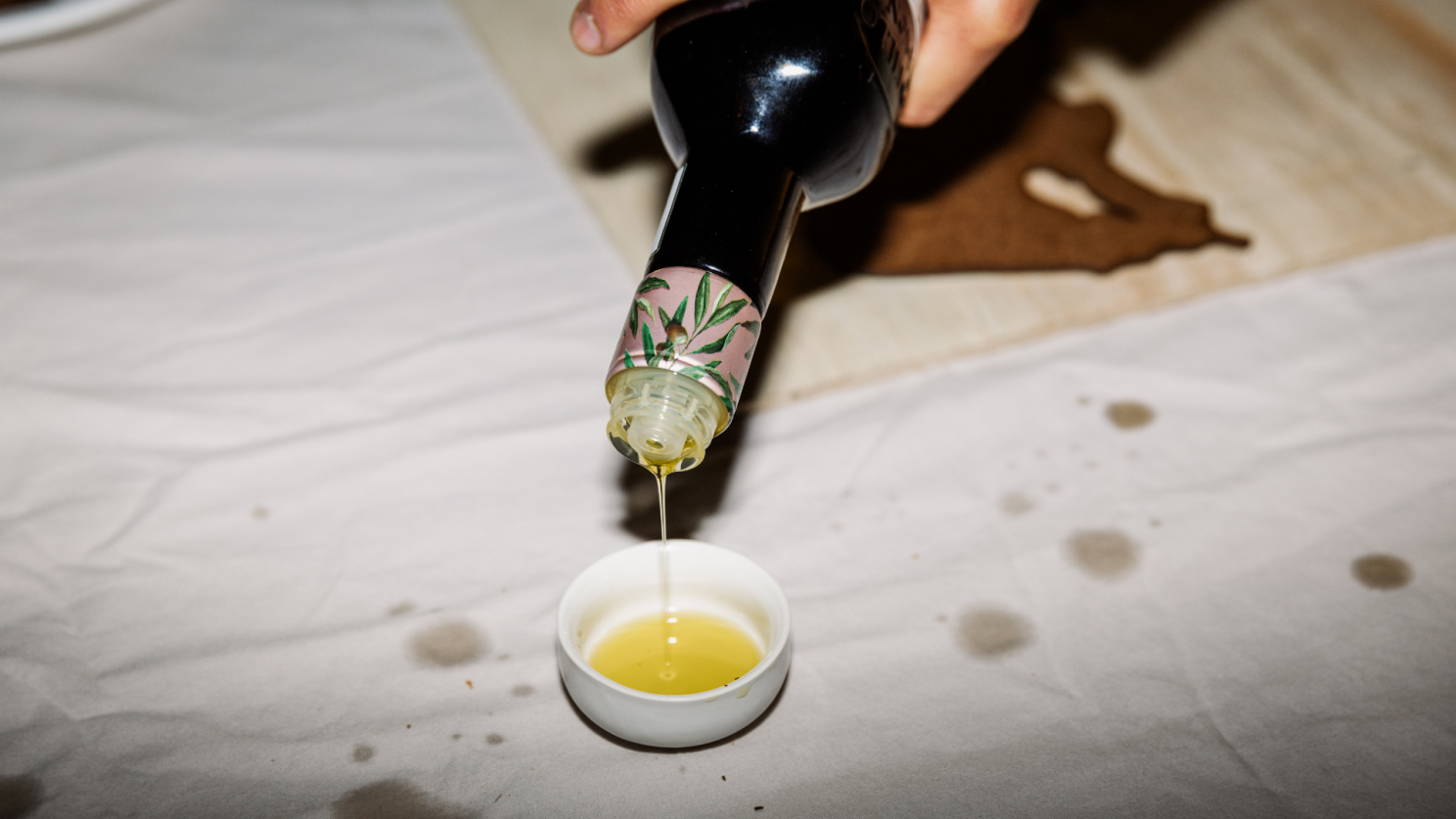
Olive oil, for me, means family and culture. My uncle makes his own olive oil, and at home, no meal is complete without a generous drizzle of good olive oil. At the same time, the olive branch is a symbol of peace, which sparked a connection for me between a symbol deeply tied to my culture and my ultimate goal as a designer.
I want to continue developing my career to promote public healthcare access and equity globally, as I strongly believe universal healthcare is one of the greatest collective social achievements that contributes to peace in societies.
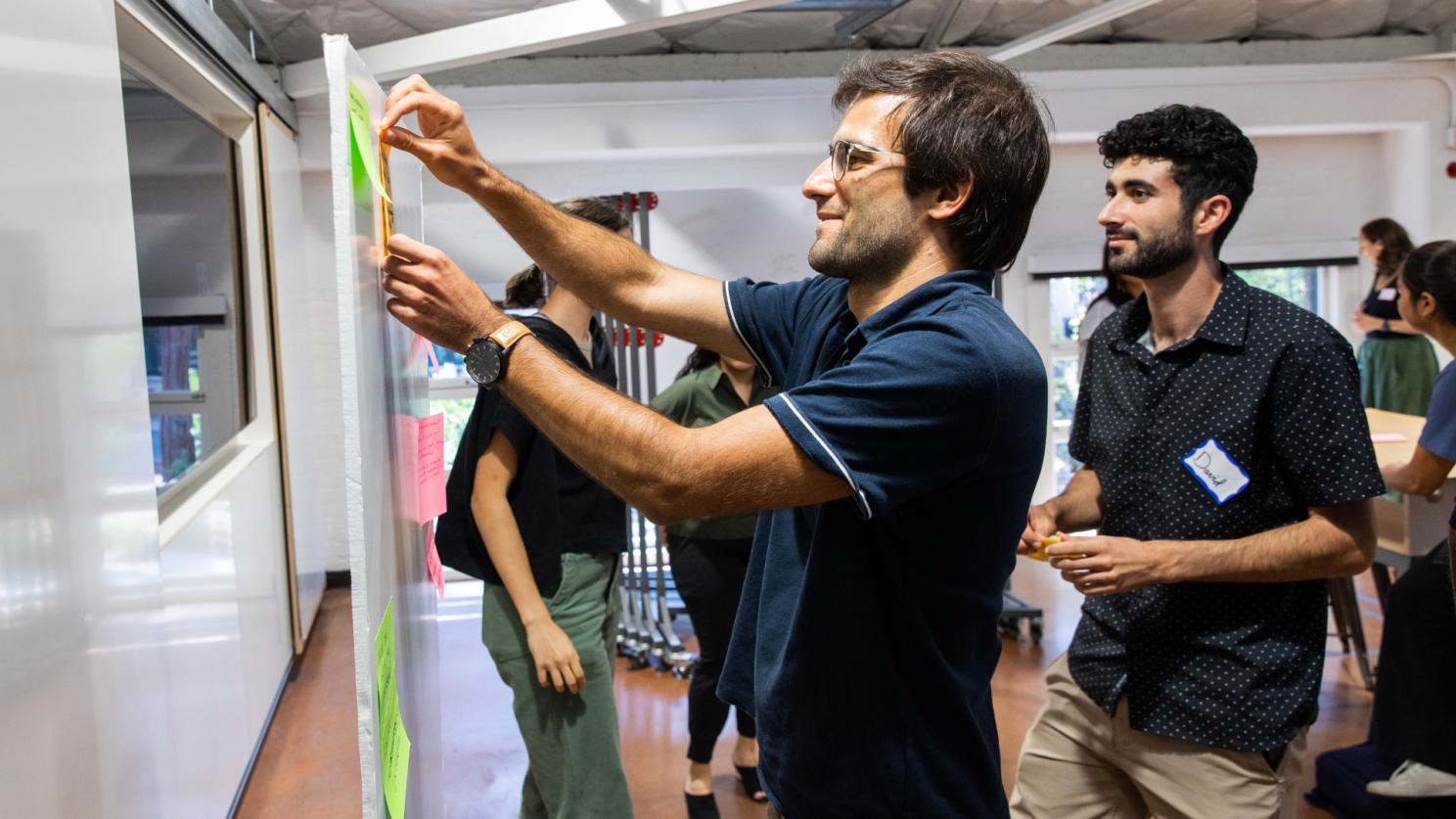
Process: Making a Map
First, I spent a significant amount of time reflecting on which medium of expression would be best suited to my current stage in the master's program, the courses I am taking now, and the resources available to me. Initially, I considered expressing myself through photography, but since I am following the physical and product design path and taking manufacturing classes, I wanted to create something that my audience could touch.
I chose wood as a material to connect with nature and decided to engrave a map of the Mediterranean Sea. For me, maps hold an incredible amount of data and power, both in their physical and political implications. Representing the Mediterranean Sea without borders—defined only by its shores rather than the countries that surround it—was a deliberate choice, symbolizing the unity I wish for in this part of the world.
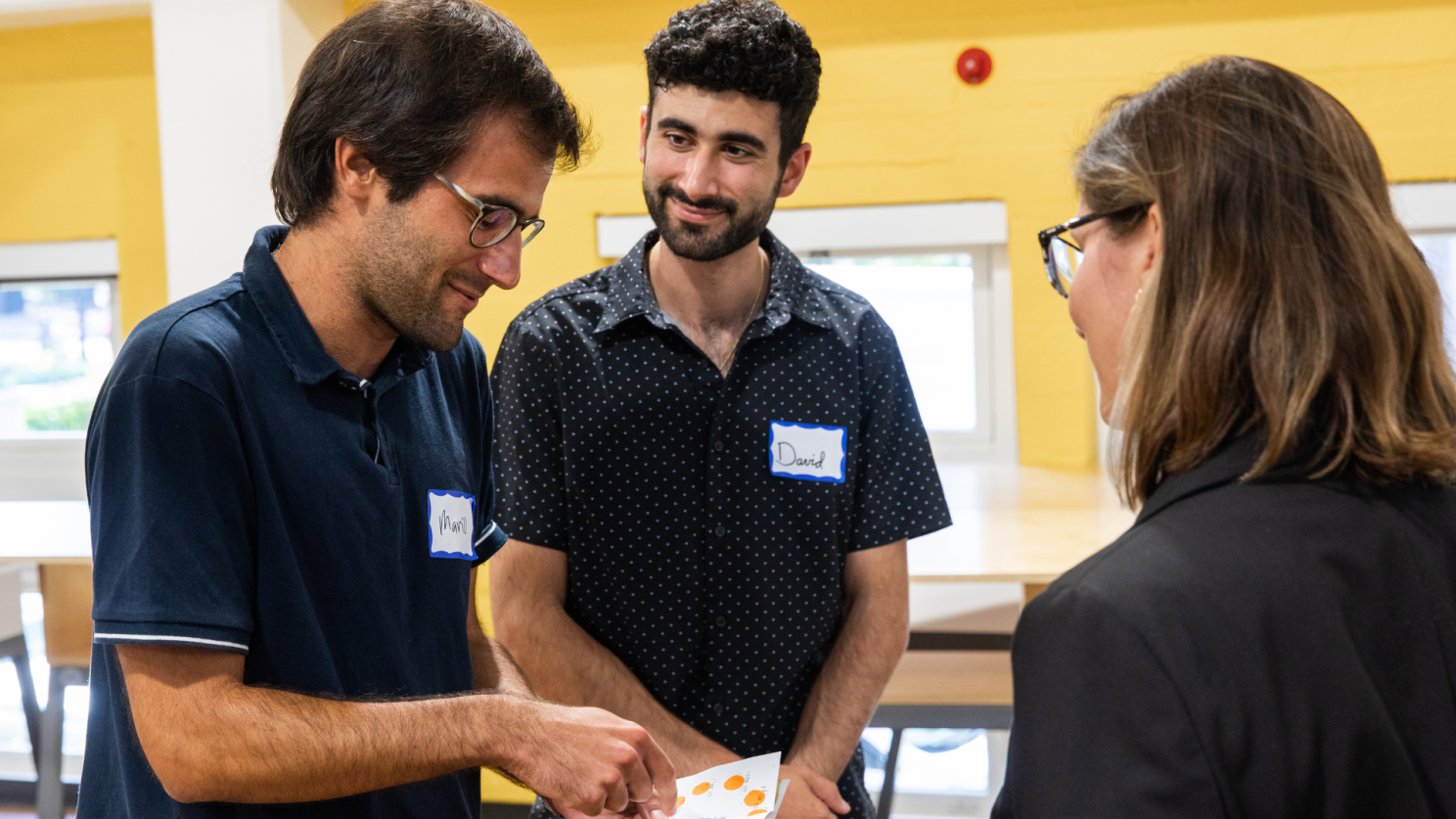
Impact: Design as a Tool of Expression
It was the first time that I had the freedom, time, and confidence to create a design project that represented my values. I wasn’t aiming to be functional or to solve a need. It was a means of expression, a way to project my values and dreams into the form of a physical product combined with a shared experience.
Seeing all my friends’ projects on Personal Statements Day made me realize the power of design as a tool for expressing deep emotions—especially when words and images alone fall short.